A Guide to Southern Comfort Food and Its Most Popular Dishes
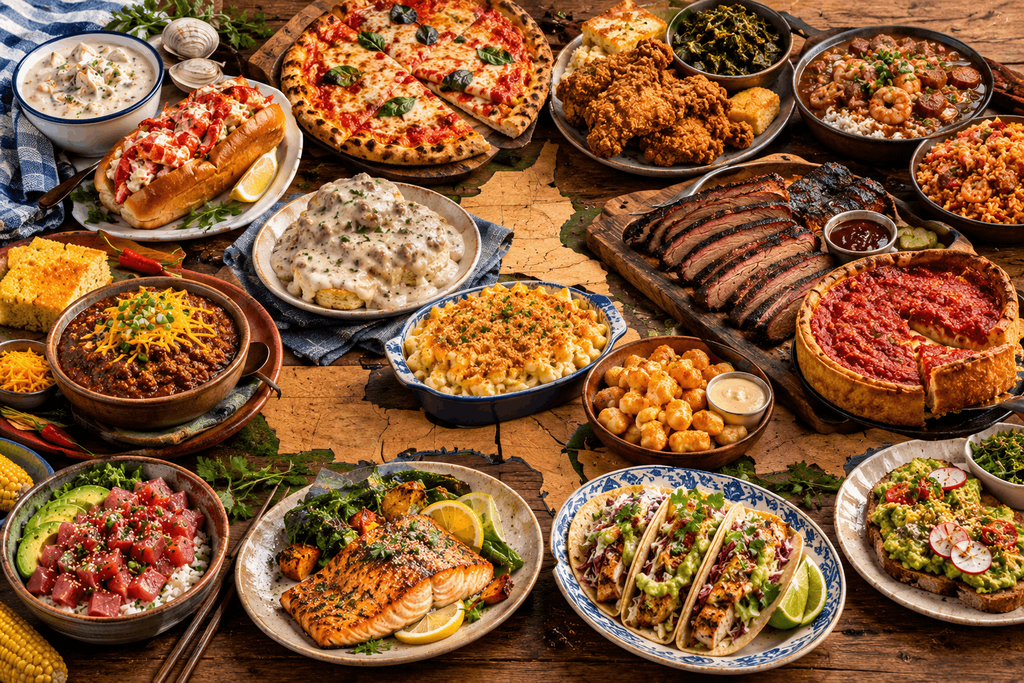
Southern comfort food is one of the most recognizable and diverse traditions in American cooking. It is often associated with generous portions, slow cooking, familiar flavors, and meals shared around a family table. Yet Southern cuisine is much more than a collection of rich recipes. It reflects the agricultural history of the American South, the knowledge of Indigenous communities, European settlers, enslaved Africans, African American cooks, immigrants, and generations of home cooks who adapted ingredients to local conditions.
The term “comfort food” describes dishes that offer emotional familiarity as well as nourishment. In the South, this idea may appear in a plate of fried chicken, a bowl of gumbo, a pan of cornbread, a pot of collard greens, or a serving of biscuits with gravy. Each dish has its own history, and recipes can change significantly from one state, town, or family to another.
Understanding Southern Food Culture
Southern food developed through the meeting of many foodways. Indigenous peoples contributed knowledge of corn, beans, squash, regional plants, and cooking techniques. European settlers introduced livestock, wheat-based baking, and other ingredients. Enslaved Africans and their descendants shaped the region’s food through farming knowledge, seasoning practices, rice traditions, greens, okra, and methods of making flavorful meals from limited resources.
The history of Southern cooking also includes coastal trade, migration, agriculture, and urban communities. New Orleans, Charleston, Savannah, Memphis, Nashville, and many other places developed distinct food identities. This is why it is difficult to describe Southern cuisine as one uniform style. Coastal cooking may emphasize seafood and rice, the Mississippi Delta may feature tamales and barbecue, while Appalachian kitchens may rely on beans, cornbread, preserved vegetables, and slow-cooked meats.
1. Southern Fried Chicken
Southern fried chicken is perhaps the most internationally recognized Southern comfort food. Chicken pieces are commonly seasoned, coated in flour or another breading, and fried until the outside becomes crisp while the interior remains tender. Recipes vary in their use of buttermilk, hot sauce, paprika, black pepper, garlic, and other seasonings.
The dish has a complicated history involving European frying techniques, African American culinary knowledge, enslaved cooks, and later restaurant and home-cooking traditions. Black cooks played a central role in developing and popularizing fried chicken in the American South, even while their labor and expertise were often undervalued.
Fried chicken is frequently served with mashed potatoes, gravy, collard greens, biscuits, macaroni and cheese, or coleslaw. It can appear at Sunday dinners, picnics, church gatherings, celebrations, and casual family meals.
2. Biscuits and Gravy
Biscuits and gravy is a hearty breakfast or brunch dish built around soft, flaky biscuits and a creamy sausage or pepper gravy. Southern biscuits are often made with flour, fat, and buttermilk, then baked until risen and lightly browned. The gravy may include pork sausage, milk, flour, and black pepper.
The dish reflects the practical nature of Southern cooking. Flour-based biscuits are relatively inexpensive, while gravy adds richness and helps create a filling meal. Regional and family recipes differ in biscuit texture, gravy thickness, and seasoning. Some versions use sawmill-style gravy, while others include bacon, ham, or vegetables.
3. Collard Greens
Collard greens are an important part of Southern foodways, particularly African American culinary traditions. The greens are often simmered slowly with onions, garlic, smoked meat, peppers, vinegar, or other seasonings. The cooking liquid, sometimes called potlikker, is valued for its flavor and is traditionally eaten with cornbread.
The Smithsonian’s National Museum of African American History and Culture notes that greens have deep roots in the American South and that African American communities carried these traditions across the country during the Great Migration. This history shows how a humble vegetable dish can preserve memory, identity, and culinary knowledge.
Greens are often served beside fried chicken, pork, cornbread, black-eyed peas, or holiday meals. Modern cooks may also prepare them with vegetarian stock, mushrooms, smoked paprika, or chili for different dietary preferences.
4. Cornbread
Cornbread is a staple across many Southern tables. It can be baked in a cast-iron skillet, prepared as muffins, or cooked into a softer dressing. Recipes differ over whether they include sugar, wheat flour, eggs, buttermilk, or bacon fat.
Cornbread connects Southern cooking with Indigenous agricultural knowledge because corn was central to food systems across North America. Over time, cooks adapted cornmeal into breads, porridges, dumplings, and other preparations. In Southern meals, cornbread is often used to soak up potlikker, chili, beans, or gravy.
5. Barbecue
Southern barbecue is not one single style. North Carolina barbecue may emphasize pork and vinegar-based sauces, while parts of South Carolina are known for mustard-based sauces. Memphis is associated with pork ribs and pulled pork, and Texas barbecue is widely known for smoked beef brisket, although Texas has its own regional diversity.
Barbecue requires patience. Meat is cooked slowly with wood smoke, controlled heat, seasoning, and careful timing. The technique turns tough cuts into tender food and creates strong connections between cooking, community, festivals, restaurants, and regional identity.
6. Gumbo
Gumbo is closely associated with Louisiana and reflects the meeting of African, French, Spanish, Native American, and Caribbean influences. Depending on the recipe, it may contain seafood, chicken, sausage, okra, onions, celery, bell peppers, stock, and a roux. Filé powder may also be used in some traditions.
Gumbo is best understood as a family of dishes rather than a single fixed formula. Some versions are thick and dark, while others are lighter and more seafood-focused. Its history illustrates how food traditions develop through cultural exchange and adaptation.
7. Jambalaya
Jambalaya is another Louisiana favorite. It combines rice with ingredients such as sausage, chicken, seafood, vegetables, and spices. Creole and Cajun versions can differ in ingredients and technique, but both demonstrate the importance of rice cookery in the region.
Rice dishes have deep connections to West African agricultural knowledge and the rice-growing history of the Carolina and Georgia Lowcountry. Jambalaya’s modern forms reflect centuries of movement and cultural interaction.
8. Shrimp and Grits
Shrimp and grits began as a simple combination of local seafood and ground corn, especially in the coastal South and Lowcountry. Today it can be served as a breakfast, lunch, brunch, or restaurant entrée. Grits are cooked until creamy, while shrimp may be sautéed with garlic, bacon, herbs, or a savory sauce.
The dish demonstrates how food once considered modest or regional can become a celebrated restaurant specialty. Its character depends heavily on the quality of the cornmeal, the freshness of the shrimp, and the seasoning style of the cook.
9. Macaroni and Cheese
Southern macaroni and cheese often appears at holiday meals, family reunions, church suppers, and Sunday dinners. Some versions are baked with eggs and several cheeses, producing a firm, layered texture. Others are creamy and sauce-based.
The dish’s history includes European pasta traditions, American industrial food production, and the major contributions of African American cooks. It is valued not only for its flavor but also for its role as a celebratory side dish. A family recipe may be carefully protected and passed from one generation to another.
10. Chicken and Dumplings
Chicken and dumplings is a comforting dish made by simmering chicken in broth with vegetables and adding dumplings. The dumplings may be rolled flat like noodles or dropped as soft pieces of dough. Both approaches create a warm, filling meal.
The recipe is especially suited to home cooking because it can use a whole chicken, leftover meat, pantry staples, and inexpensive vegetables. Its gentle seasoning and soft texture make it popular during cold weather or when families want a familiar meal.
11. Pecan Pie
Pecan pie is a classic Southern dessert associated with holidays, celebrations, and family baking. Pecans are native to North America, and the pie typically combines them with eggs, sugar, butter, and a syrupy filling inside a pastry crust.
Recipes vary in sweetness and texture. Some use corn syrup, while others rely on brown sugar, cane syrup, honey, or maple syrup. Pecan pie shows how local ingredients can become symbols of regional identity and hospitality.
12. Sweet Tea
Sweet tea is more than a beverage in many Southern communities. Strongly brewed tea is cooled, sweetened, and served over ice, often with lemon. It is common at family meals, picnics, restaurants, and summer gatherings.
Its popularity reflects the South’s hot climate and the social importance of offering guests a refreshing drink. Modern variations may include mint, peach, berries, or reduced sugar, but the classic version remains closely tied to Southern hospitality.
The Meaning of Hospitality
Southern comfort food is often connected with hospitality. Meals may be prepared in large quantities so that guests, neighbors, relatives, and community members can be welcomed without hesitation. Church suppers, reunions, festivals, and neighborhood gatherings create spaces where recipes are exchanged and food becomes a form of social connection.
At the same time, it is important to recognize the complex history behind the cuisine. Many iconic dishes were shaped by enslaved people and African American communities whose skills were essential to Southern food culture. Contemporary historians, chefs, and museums increasingly emphasize these contributions rather than presenting Southern cooking as the product of one cultural group alone.
How to Explore Southern Comfort Food Today
A newcomer can explore Southern cooking by trying dishes from different subregions instead of assuming that one recipe represents the entire South. Compare vinegar-based and tomato-based barbecue sauces, sample both Creole and Cajun rice dishes, or try collard greens prepared with and without smoked meat.
It is also useful to pay attention to technique. Southern food often depends on slow simmering, careful frying, cast-iron cooking, pickling, baking, smoking, and the use of flavorful cooking liquids. These methods can be adapted to modern kitchens and dietary needs without erasing their cultural context.
Conclusion
Southern comfort food is a living culinary tradition shaped by geography, agriculture, migration, cultural exchange, hardship, creativity, and hospitality. Fried chicken, biscuits and gravy, collard greens, cornbread, barbecue, gumbo, jambalaya, shrimp and grits, macaroni and cheese, chicken and dumplings, pecan pie, and sweet tea each tell a different part of the story.
Together, they reveal that Southern cuisine is not simply heavy or nostalgic food. It is a diverse collection of techniques, ingredients, memories, and communities. Exploring these dishes offers a delicious way to understand the history and continuing evolution of the American South.
Suggested sources: Smithsonian food-history materials and the Southern Foodways Alliance.