The Rise of New York-Style Pizza in American Food Culture
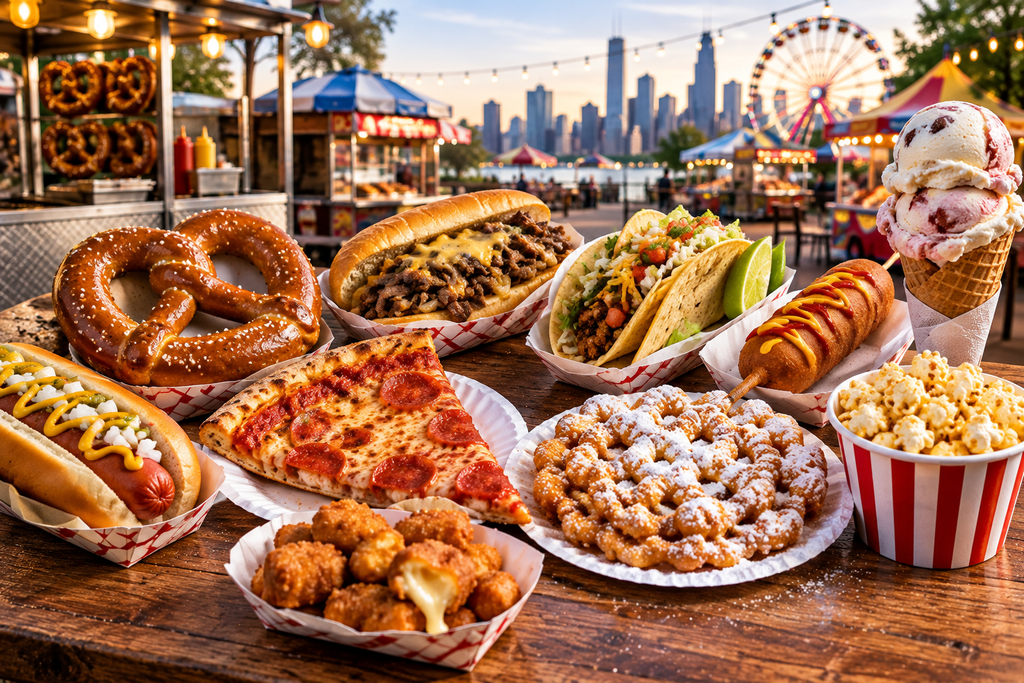
Few foods are as closely associated with a city as New York-style pizza. Its wide, thin slices, crisp edges, foldable center, tomato sauce, and melted cheese have become familiar far beyond New York City. For many people, a New York slice represents speed, affordability, urban energy, and the simple pleasure of eating something satisfying while moving through a busy day. Yet this style of pizza is not simply an imported Italian recipe. It is the result of immigration, adaptation, neighborhood entrepreneurship, technological change, and the continuing evolution of American food culture.
The story begins with Italian immigration. During the late nineteenth and early twentieth centuries, many immigrants from southern Italy, including Naples and surrounding areas, settled in New York. They brought culinary knowledge with them, including traditions involving bread, tomatoes, olive oil, and cheese. Pizza was originally associated strongly with Naples, but immigrant cooks adapted familiar foods to the ingredients, ovens, schedules, and customers they encountered in the United States.
Early pizza in New York was often connected to Italian-American neighborhoods. It was not initially a universally popular American food. Pizzerias served immigrant communities and workers who wanted an affordable meal that reminded them of home. Over time, the dish became more accessible to people outside the Italian community, and the New York version developed its own recognizable character.
Early Pizzerias and the Growth of a Local Tradition
Gennaro Lombardi is frequently credited with establishing one of the earliest documented pizzerias in the United States. Lombardi’s business in Manhattan’s Little Italy was licensed to sell pizza in 1905, although historians have pointed out that other cooks and businesses may have sold pizza in New York before that date. This uncertainty is important because food traditions are rarely created by only one person. They usually emerge through the combined work of families, workers, immigrants, and small businesses.
Lombardi’s and other early pizzerias helped turn pizza from a home or community food into a commercial product. Pizza makers learned how to prepare larger quantities, manage busy service periods, and adapt recipes to local preferences. Employees and apprentices later opened their own businesses, spreading techniques and connections across New York City.
Historic pizzerias such as Totonno’s, John’s, and Patsy’s became part of this expanding network. Each business had its own methods and identity, but together they helped establish pizza as a permanent part of the city’s culinary landscape. Their influence also demonstrates how restaurant traditions can spread through professional relationships rather than through formal institutions.
How New York-Style Pizza Became Distinct
New York-style pizza is often recognized by its large, hand-stretched crust. The outer edge is usually crisp and browned, while the center remains thin, flexible, and strong enough to fold. A classic slice often includes tomato sauce, grated or shredded mozzarella, and a restrained amount of toppings. The balance allows the crust to remain central to the eating experience.
This style differs from the small, soft-centered Neapolitan pizza traditionally served in Naples. New York pizza developed around different commercial conditions. Larger pies could be divided into slices, sold quickly, and eaten by customers who did not have time for a long sit-down meal. The slice became especially suited to a city where workers, students, commuters, and visitors often needed food that was portable and relatively inexpensive.
Flour, fermentation, water, salt, yeast, cheese, and sauce all influence the final result. Pizza makers also debate details such as oven temperature, hydration, oil, sugar, cheese type, and the ideal amount of sauce. These discussions reveal that New York pizza is not a rigid formula. It is a recognizable style with considerable variation between neighborhoods and generations.
The Importance of Oven Technology
Technology played a major role in the growth of the New York slice. Early pizzerias often relied on coal-fired ovens, which produced intense heat and distinctive browning. These ovens helped establish the flavor and texture associated with classic New York pizza, but they could be demanding to operate and were not always ideal for reheating slices.
The development of gas-fired deck ovens in the twentieth century changed the business. According to historical accounts discussed by PBS NewsHour, Frank Mastro’s gas-fueled oven helped make pizza production more practical by placing the flame beneath the oven floor and using indirect heat. This design supported more consistent baking and made it easier to produce pizza in larger quantities.
The ability to bake, hold, and reheat slices was crucial to the growth of slice shops. Instead of requiring every customer to order a whole pie, a pizzeria could display prepared pizzas and sell individual portions throughout the day. This made pizza more accessible and helped turn it into a fast, everyday meal.
Pizza and the Working City
New York-style pizza developed alongside the rhythms of urban life. A slice could be eaten during a short lunch break, after school, on the way home, or late at night. It required little ceremony and could be enjoyed standing at a counter, sitting on a bench, or walking down the street.
Its affordability also mattered. While prices have changed over time, the idea of a filling slice at a modest cost helped make pizza a dependable option for many customers. The slice became part of the city’s informal economy, where convenience and familiarity were central to the customer experience.
The pizzeria itself often functioned as a neighborhood institution. Customers returned not only for the food but also for the routine: the same counter, the same oven, the same familiar staff, and the same expectations about taste. In this way, pizza shops became part of the social infrastructure of New York communities.
From Immigrant Food to American Mainstream
Pizza’s rise beyond Italian-American neighborhoods accelerated during the twentieth century. As more Americans encountered Italian food, pizza began appearing in newspapers, popular entertainment, restaurants, and suburban communities. Returning military personnel who had experienced European food during World War II also helped expand interest in pizza.
By the 1950s, pizza had become visible in national popular culture. Television appearances, advertising, and the growth of restaurant chains introduced the food to customers who had never lived near an Italian neighborhood. New York-style pizza was only one of several American pizza traditions, but its slice format and urban identity made it particularly easy to recognize and reproduce.
As pizza spread, it changed again. Some restaurants used thicker crusts, additional cheese, new toppings, or different baking methods. National chains developed standardized products, while independent pizzerias continued to preserve local approaches. The result was not the disappearance of New York pizza but the creation of a larger American pizza culture in which regional styles could coexist.
The Role of Toppings and Personal Preference
A classic New York slice may be a plain cheese slice, but the city’s pizza culture has always allowed variation. Pepperoni, mushrooms, sausage, onions, peppers, olives, and other toppings are common. Some customers prefer a minimalist slice, while others want a heavily loaded pie.
The debate over toppings reflects the personal nature of pizza. People often judge a slice based on childhood memories, neighborhood habits, or the pizzeria they visited most often. One person may prioritize a crisp underside, while another prefers a softer fold. Some value a tangy sauce, while others focus on cheese browning or the flavor of the crust.
These differences do not necessarily weaken the identity of New York-style pizza. Instead, they show how a shared food can support many interpretations while retaining a recognizable foundation.
The Slice as a Cultural Symbol
The New York slice has become a symbol of the city’s pace and diversity. It is associated with crowded streets, late-night neighborhoods, office workers, students, tourists, and generations of immigrant-owned businesses. It also represents a kind of culinary democracy: customers from different backgrounds can enter the same shop and order a familiar food.
Pizza’s cultural meaning extends beyond New York. Pizzerias across the United States use New York-style methods, and restaurants in other countries imitate the large foldable slice. The style has become a global reference point, even when local ingredients and preferences change the result.
At the same time, it is important to recognize that the history of New York pizza includes many contributors whose names were not preserved. Women, family members, employees, bakers, delivery workers, and immigrant entrepreneurs all played roles in making the industry function. A complete food history should look beyond famous restaurant owners and acknowledge the wider communities that sustained the tradition.
A Modern Revival and Continuing Evolution
In recent decades, New York has experienced renewed interest in carefully made pizza. Some modern shops focus on long fermentation, high-quality ingredients, and detailed baking techniques. Others revive older coal-oven methods or experiment with regional flour, specialty cheeses, and creative toppings.
This revival does not mean that traditional slice shops have disappeared. Instead, classic and modern approaches operate side by side. A customer may enjoy a quick cheese slice from a neighborhood counter one day and a carefully composed specialty pie the next.
The city’s pizza culture continues to evolve because it is responsive to changing tastes, costs, technologies, and communities. New restaurants bring new ideas, while established businesses preserve techniques that have been passed down for generations.
Conclusion
The rise of New York-style pizza is a story about much more than dough, sauce, and cheese. It reflects the experience of immigration, the growth of urban neighborhoods, the importance of affordable food, and the influence of technology on small businesses. New York pizza became distinctive because Italian traditions were adapted to American conditions and then reshaped by generations of cooks and customers.
Its foldable slice is now recognized around the world, but its deepest meaning remains connected to everyday life in New York. Pizza is quick but personal, simple but highly debated, and familiar while constantly changing. From early Italian-American communities to modern independent pizzerias, New York-style pizza continues to show how a local food can become a defining part of American food culture.
Suggested sources: PBS NewsHour, the U.S. National Park Service, HISTORY, and Eater’s historical coverage of New York pizza.
Leave a Reply