American Street Food: 10 Snacks You’ll Find Across the Country
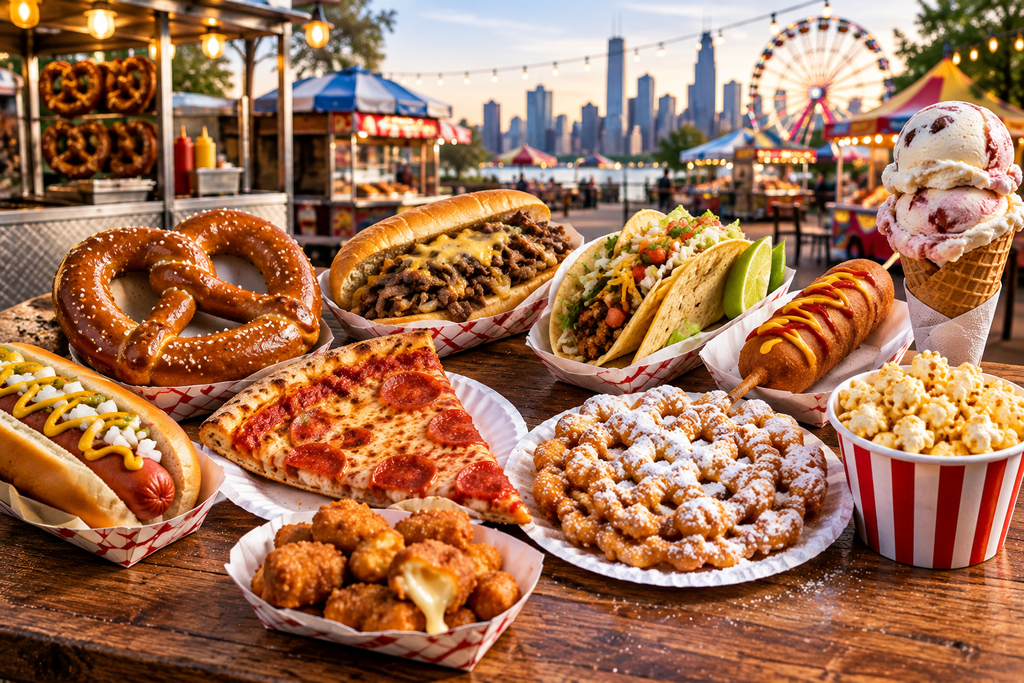
American street food is one of the clearest expressions of the country’s regional variety and cultural exchange. From busy city sidewalks and baseball stadiums to county fairs, food trucks, boardwalks, and neighborhood festivals, portable snacks make it possible to experience local food traditions in a quick and informal way. Some snacks developed from European immigrant traditions, others reflect Indigenous ingredients and techniques, and many emerged from the creativity of communities adapting recipes to new places.
There is no single definition of American street food. A New York hot dog, a Philadelphia cheesesteak, a New Orleans po’ boy, and a Los Angeles taco may look very different, yet they share an important feature: they are designed to be enjoyed outside a formal dining room. Their portability, strong flavors, and connection to local identity have helped them spread across the country.
1. Hot Dogs
Hot dogs are among the most recognizable American street foods. Their history is closely connected to German sausage-making traditions and the growth of urban food vending. In cities such as New York, vendors serve hot dogs in soft buns with mustard, onions, relish, sauerkraut, or ketchup, depending on local preferences.
The appeal of the hot dog comes from its simplicity. It is warm, inexpensive, easy to hold, and quick to serve. Hot dogs are also associated with baseball games, public parks, parades, and summer cookouts. Regional styles add variety: Chicago-style hot dogs are known for their distinctive toppings, while New York versions often emphasize mustard and onions.
2. Soft Pretzels
Soft pretzels are especially associated with Philadelphia and the broader food traditions of German-speaking immigrants. Their chewy texture, browned exterior, and coarse salt make them satisfying on their own, although mustard, cheese sauce, or other dips are common additions.
Street pretzels are popular because they can be carried easily and eaten while walking. They are also affordable and filling. Their presence at train stations, sports venues, fairs, and city corners demonstrates how immigrant food traditions became part of everyday American life.
3. Tacos
Tacos are a major part of the American street-food landscape, especially in the Southwest, California, Texas, and large metropolitan areas. Their roots are connected to Mexican culinary traditions, but American taco culture includes a wide range of regional interpretations.
Street vendors may serve tacos filled with carne asada, al pastor, chicken, fish, vegetables, or slow-cooked meats. Salsa, cilantro, onion, lime, and pickled ingredients add freshness and contrast. In places such as Los Angeles, taco trucks have become important neighborhood institutions, offering affordable meals while also supporting small businesses and culinary innovation.
4. Cheesesteaks
Philadelphia cheesesteaks combine thinly sliced beef, a long roll, and melted cheese. Onions are common, and customers may choose among cheese options such as provolone, American cheese, or cheese sauce. The sandwich is strongly associated with Philadelphia’s working-class food culture and remains a popular grab-and-go meal.
The cheesesteak shows how street food can become a symbol of place. While versions are now available across the country, many visitors still associate the sandwich with Philadelphia’s neighborhood shops and long-standing rivalries over preparation styles.
5. Corn Dogs
Corn dogs are a familiar presence at state fairs, carnivals, amusement parks, and sporting events. A sausage is coated in cornmeal batter, placed on a stick, and fried until golden. The result combines a crisp exterior with a savory center.
The corn dog is particularly effective as street food because it is portable and requires no fork or plate. Mustard is a classic accompaniment, while some vendors offer ketchup, spicy sauces, or specialty batters. Its association with fairs also gives it a strong nostalgic quality for many Americans.
6. Funnel Cake
Funnel cake is a deep-fried dessert made by pouring batter through a funnel or similar tool into hot oil, creating a tangled, lacy shape. It is usually served with powdered sugar, although fruit, chocolate, caramel, and ice cream may also appear.
The snack is closely connected to fairs, amusement parks, and outdoor festivals. Its appeal comes from contrast: crisp edges, a soft center, warm dough, and sweet toppings. Funnel cake also reflects the influence of European frying traditions that were adapted within American communities and commercial food settings.
7. Pizza by the Slice
Pizza by the slice is a practical form of street food in many American cities, especially New York. A large slice can be folded, carried, and eaten quickly, making it suitable for commuters, students, tourists, and late-night customers.
American pizza styles vary significantly. New York slices are often broad and foldable, while other regions favor thicker crusts, square pieces, or distinctive toppings. Pizza’s popularity reflects Italian immigrant influence, urban restaurant development, and the ability of a dish to adapt to local tastes.
8. Ice Cream and Frozen Treats
Ice cream trucks and mobile dessert carts are familiar sights during warm weather. They serve cones, cups, popsicles, frozen bars, and novelty treats in neighborhoods, parks, and public events. These foods are less connected to one specific region than many savory snacks, but they remain an important part of American street-food culture.
The success of frozen treats comes from convenience and emotion. They are easy to serve, visually appealing, and strongly associated with summer, childhood, and outdoor recreation. Modern vendors have expanded the category with gourmet flavors, dairy-free options, and creative toppings.
9. Kettle Corn and Roasted Nuts
Kettle corn and roasted nuts are common at fairs, farmers markets, holiday events, and street festivals. Kettle corn combines popcorn with sugar and salt, creating a sweet-and-savory flavor. Roasted nuts may be seasoned with cinnamon, sugar, chili, or other spices.
Both snacks are valuable to vendors because they can be prepared in batches and served in portable bags or cups. Their aromas also attract customers from a distance. The sensory experience—warm air, caramelized sugar, toasted nuts, and familiar spices—is a major part of their popularity.
10. Fried Cheese Curds
Fried cheese curds are particularly associated with Wisconsin and the Upper Midwest, where dairy production has deep cultural and economic importance. Fresh cheese curds are coated or battered and fried until the outside becomes crisp while the interior remains soft and stretchy.
They are frequently served at fairs, festivals, bars, food trucks, and casual restaurants. Dipping sauces may include ranch dressing, marinara, or spicy mayonnaise. Fried cheese curds demonstrate how a regional ingredient can become a portable snack with broad appeal.
Why American Street Food Is So Diverse
The diversity of American street food is connected to migration, trade, industrial development, regional agriculture, and urban growth. The Library of Congress notes that community cookbooks reveal regional differences while also showing how transportation and travel moved ingredients and recipes across state lines. As people relocated, they carried cooking techniques and adapted them to new markets.
Street food also creates opportunities for entrepreneurship. Food carts and trucks can operate with lower overhead than many traditional restaurants, allowing vendors to test ideas, serve specific communities, and develop fusion dishes. In recent decades, food trucks have become spaces for experimentation, combining traditions such as Korean barbecue, Mexican tacos, Southern cooking, and global vegetarian cuisine.
At the same time, street food is not simply a collection of trendy dishes. It often reflects labor, community, and access. Vendors serve workers during busy hours, families at festivals, and customers looking for affordable food. Some foods became nationally recognized only after being introduced by immigrant or marginalized communities whose contributions were not always fully acknowledged.
Conclusion
American street food offers a flavorful way to understand the country’s cultural and regional variety. Hot dogs, pretzels, tacos, cheesesteaks, corn dogs, funnel cake, pizza slices, frozen treats, kettle corn, and fried cheese curds all tell different stories about ingredients, migration, local identity, and changing lifestyles.
Their popularity comes from more than convenience. These snacks are connected to public spaces, memories, celebrations, and the people who prepare and share them. Exploring American street food is therefore a way to explore American history itself—one portable, flavorful bite at a time.
Editorial note: Regional food history is shaped by migration, adaptation, trade, and community traditions. The article draws on general food-history references, including the Library of Congress and Smithsonian collections.
Leave a Reply