American breakfast classics combine comfort, convenience, regional traditions, and everyday ritual
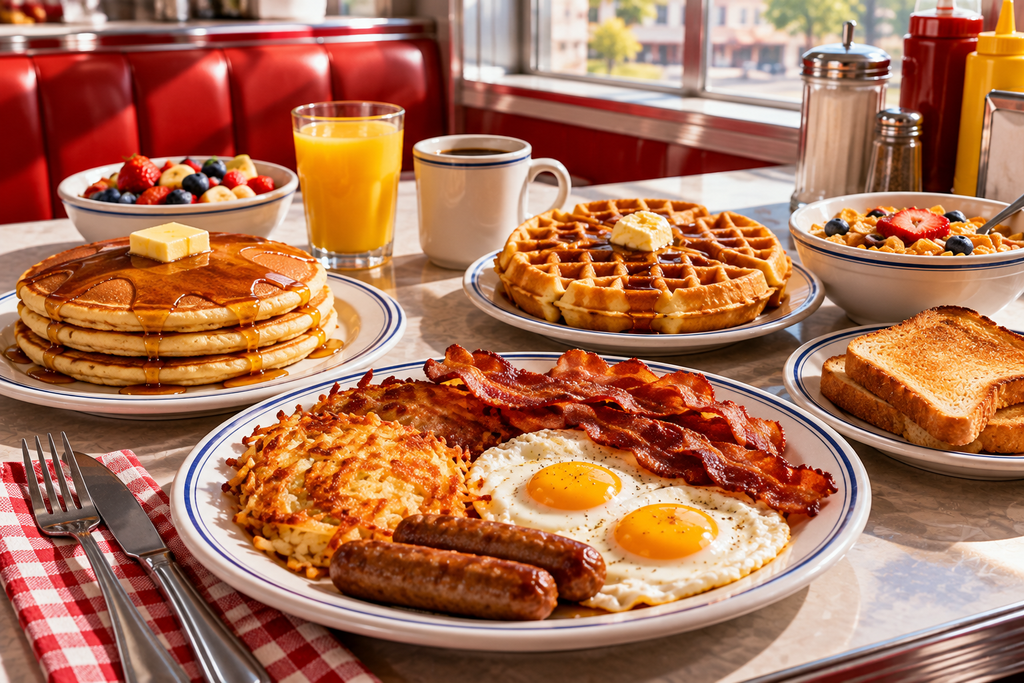
Breakfast in the United States is more than a meal eaten after waking up. It is a collection of familiar flavors, family routines, restaurant traditions, and cultural influences that help define the beginning of the day. A plate of eggs and bacon, a stack of pancakes covered in syrup, a bowl of cereal, or a waffle served with butter can evoke memories of childhood, weekend gatherings, roadside diners, and busy weekday mornings. Although American breakfast has changed over time, many of its classic dishes remain recognizable because they combine comfort, convenience, and a sense of familiarity.
There is no single breakfast that represents every American household. The country’s food culture has been shaped by Indigenous ingredients, European settlement, African American culinary traditions, immigration, industrial food production, advertising, and changing work schedules. As food historian Abigail Carroll explained in a Smithsonian interview, the structure of American meals developed in response to social and economic changes. Breakfast gradually became more clearly defined as work, health ideas, mass production, and commercial food systems influenced how people ate.
Eggs: The Flexible Center of the American Breakfast
Eggs are among the most recognizable ingredients in American breakfast culture. They can be fried, scrambled, poached, boiled, baked, or folded into an omelet. Their versatility allows them to fit both a quick weekday meal and a relaxed weekend brunch. Eggs are often paired with bacon, sausage, toast, potatoes, or vegetables, creating a plate that balances protein, starch, and texture.
The history of eggs in American foodways is connected to home cooking and changing agricultural practices. The Smithsonian’s National Museum of American History notes that early American households used eggs in everyday cooking, baking, and special dishes. Over time, improvements in poultry breeding, transportation, refrigeration, and commercial farming made eggs more consistently available to consumers.
Eggs also demonstrate how a simple ingredient can carry different meanings. A fried egg beside toast may represent speed and practicality, while eggs Benedict may suggest a hotel brunch or restaurant luxury. Breakfast tacos, egg sandwiches, and vegetable omelets show how American cooks have adapted eggs to regional and immigrant food traditions. Their enduring popularity comes partly from their ability to absorb new flavors without losing their familiar identity.
Bacon, Sausage, and the Appeal of a Savory Breakfast
Bacon and sausage are common components of the traditional American breakfast plate. Bacon contributes crispness, saltiness, and a smoky or savory flavor. Sausage offers a different texture and may include herbs, pepper, sage, fennel, or regional seasonings. Both foods are frequently served with eggs, potatoes, pancakes, or biscuits.
The popularity of these breakfast meats is connected to preservation and agricultural history. Before modern refrigeration, meat preservation methods such as salting, smoking, and curing were important for extending shelf life. These techniques influenced the flavor of foods that later became familiar parts of American cooking. Industrial processing eventually made breakfast meats easier to purchase, store, and prepare, while diners and advertising helped establish them as symbols of a substantial morning meal.
At the same time, breakfast traditions are not static. Many households now choose poultry sausage, plant-based alternatives, or meat-free options. The continued presence of bacon and sausage alongside newer choices reflects the way American breakfast accommodates changing preferences, health concerns, budgets, and lifestyles.
Pancakes and the Ritual of Sharing
Pancakes are one of the most comforting American breakfast classics. Usually made from a batter containing flour, milk, eggs, and a leavening agent, they are cooked on a griddle and served in a stack. Butter and maple syrup are traditional toppings, but fruit, whipped cream, nuts, yogurt, chocolate chips, and savory ingredients are also common.
Pancakes have a long history of adaptation. Different communities have prepared griddle cakes using local grains and ingredients, and American versions developed through the interaction of Indigenous food knowledge and European culinary traditions. Cornmeal, buckwheat, wheat flour, and other grains have all appeared in regional recipes.
The cultural importance of pancakes comes from the way they encourage shared eating. A large batch can be prepared for a family, a school fundraiser, a church breakfast, or a weekend gathering. The act of passing syrup, adding toppings, and waiting for another batch creates a relaxed social rhythm. Pancakes are therefore associated not only with sweetness but also with hospitality and time spent together.
Waffles: Crisp Texture and Kitchen Innovation
Waffles are distinguished by their patterned surface and crisp exterior. The indentations hold butter, syrup, fruit, or other toppings, creating a combination of texture and flavor. Some waffles are light and delicate, while others are thick and rich. They may be served as a sweet breakfast, paired with fried chicken, or adapted into sandwiches and desserts.
The Smithsonian’s National Museum of American History has documented the development of waffle irons in American domestic life. Dutch colonists brought waffle-making traditions to North America, and later innovations in cookware and electricity helped make waffles easier to prepare at home. In the late nineteenth century, Cornelius Swartwout received a patent for a waffle iron design, while electric appliances and packaged mixes expanded the food’s reach during the twentieth century.
Waffles illustrate how technology can shape food culture. A dish once requiring a specialized iron and careful attention became accessible through electric appliances, frozen products, and restaurant chains. Even so, many people continue to value homemade waffles because the cooking process itself can become part of a family ritual.
Hash Browns, Home Fries, and the Importance of Potatoes
Potatoes are a dependable part of many American breakfast plates. Hash browns are commonly made from shredded potatoes that are pressed into a crisp layer, while home fries are usually diced potatoes cooked with onions, peppers, and seasonings. Both provide a satisfying contrast to soft eggs and tender breakfast meats.
Potatoes are popular partly because they are affordable, filling, and adaptable. They can be prepared in advance, cooked on a griddle, or seasoned according to local preference. Some restaurants serve hash browns as a compact golden patty; others offer loose shredded potatoes or chunky home fries. These variations reveal the influence of diner menus and regional cooking habits.
Potato dishes also reflect the broader history of American agriculture and food distribution. Improvements in storage and transportation helped make potatoes a reliable ingredient throughout the country. Their presence at breakfast shows how a humble crop can become an essential part of a national food routine.
Biscuits and Gravy: A Southern Comfort Tradition
Biscuits and gravy is strongly associated with Southern and Appalachian foodways. Flaky biscuits are served with a savory gravy, often made with sausage, milk, flour, and black pepper. The dish is rich, warming, and designed to provide energy at the start of the day.
Its history reflects the practical cooking traditions of households that relied on inexpensive staples. Flour, dairy, rendered fat, and sausage could be combined into a filling meal without requiring costly ingredients. The biscuit itself has connections to European baking traditions, while the dish’s regional development reflects local agriculture, labor patterns, and Southern culinary creativity.
Food historians often emphasize that regional American cuisine contains overlapping influences from Indigenous, European, and African traditions. Biscuits and gravy should be understood within this broader history rather than treated as an isolated invention. Today, the dish appears in family kitchens, diners, cafés, and contemporary restaurants that reinterpret it with vegetarian gravy, spicy sausage, or seasonal ingredients.
Cereal, Toast, and the Rise of Convenience
Not every American breakfast is a large hot plate. Cereal and toast became important partly because they fit the demands of modern work and school schedules. A bowl of cereal can be assembled quickly, while toast can be combined with butter, jam, peanut butter, eggs, or avocado. These foods offer flexibility for people who need to eat before commuting, preparing children for school, or beginning a work shift.
According to Smithsonian food-history coverage, breakfast foods became increasingly standardized as industrialization and health reform movements changed American eating habits. Ready-to-eat cereals, packaged bread, milk, and fruit juice were promoted as convenient or wholesome components of the morning meal. Advertising played a major role in teaching consumers what a “proper” breakfast should look like.
Convenience foods are sometimes criticized for being overly processed, but their popularity also reflects real needs. Time, affordability, kitchen equipment, and household labor all influence breakfast choices. Modern consumers often combine packaged products with fresh foods, creating routines that are both practical and personal.
Breakfast Beverages: Coffee, Juice, and Milk
Drinks help define the American breakfast experience. Coffee is perhaps the most recognizable, served black, with cream, with milk, or in increasingly diverse espresso-based forms. Orange juice became associated with breakfast through changes in food marketing, refrigeration, and ideas about vitamins. Milk was also promoted during the twentieth century as a nutritious part of the morning meal.
Coffee has a social role as well as a practical one. It can mark a quiet personal pause, a conversation between coworkers, or a meeting at a neighborhood café. Diners often build their identity around bottomless coffee cups and informal service, making the beverage part of the setting rather than merely an accompaniment.
Breakfast drinks have also changed with migration and cultural exchange. Tea, hot chocolate, fruit-based beverages, smoothies, and specialty coffees are now common in American cities. These options demonstrate that classic breakfast culture continues to expand without eliminating older habits.
Diners and the American Breakfast Experience
The classic American diner helped turn breakfast into a recognizable public experience. Diners offered affordable meals, long opening hours, counter seating, coffee refills, and menus that combined eggs, pancakes, waffles, potatoes, sandwiches, and baked goods. They became meeting places for workers, travelers, students, families, and night-shift employees.
A diner breakfast is about atmosphere as much as food. Stainless-steel surfaces, vinyl booths, handwritten specials, familiar servers, and the sound of a griddle create a sense of continuity. The menu may be extensive, but its appeal lies in allowing customers to customize a familiar meal. One person orders scrambled eggs and toast; another chooses pancakes; someone else wants a breakfast sandwich or a bowl of oatmeal.
Diners also reflect the country’s changing demographics. Immigrant-owned restaurants and regional businesses have introduced new seasonings, ingredients, and dishes to the breakfast menu. Breakfast tacos, congee, rice plates, and other foods now appear alongside traditional diner staples in many communities.
Breakfast as a Reflection of American Life
American breakfast classics endure because they respond to different rhythms of life. A weekday bowl of cereal serves convenience. A diner plate supports a long workday. Pancakes create a weekend ritual. Eggs can be economical, elegant, simple, or highly seasoned. Waffles connect domestic technology with family tradition, while biscuits and gravy preserve regional memories.
These foods also reveal that American cuisine is constantly evolving. The country’s breakfast table has been influenced by migration, commerce, industrial production, health campaigns, changing gender roles, and new ideas about nutrition. No single dish can represent everyone, but the variety itself is part of the story.
Conclusion
American breakfast classics define the start of the day through more than taste. They express routine, comfort, regional identity, technological change, and cultural exchange. Eggs, bacon, pancakes, waffles, potatoes, biscuits, cereal, toast, coffee, and juice have become familiar because they are adaptable to different households and lifestyles.
Whether eaten at a busy diner, around a family kitchen table, or quickly before work, breakfast offers a daily opportunity to connect with memory and tradition. Its recipes may change, and new influences will continue to appear, but the central appeal remains the same: a satisfying beginning, built from ingredients that feel both ordinary and meaningful.
Sources and Further Reading
- Smithsonian Magazine: Why Do We Eat Cereal for Breakfast?
- Smithsonian National Museum of American History: The History of Waffles
- Smithsonian National Museum of American History: Chickens, Eggs, and the Changing American Diet
- Smithsonian National Museum of American History: Resetting the Table
- Smithsonian National Museum of American History: FOOD: Transforming the American Table