Mac and Cheese: The Creamy Dish That Became an American Favorite
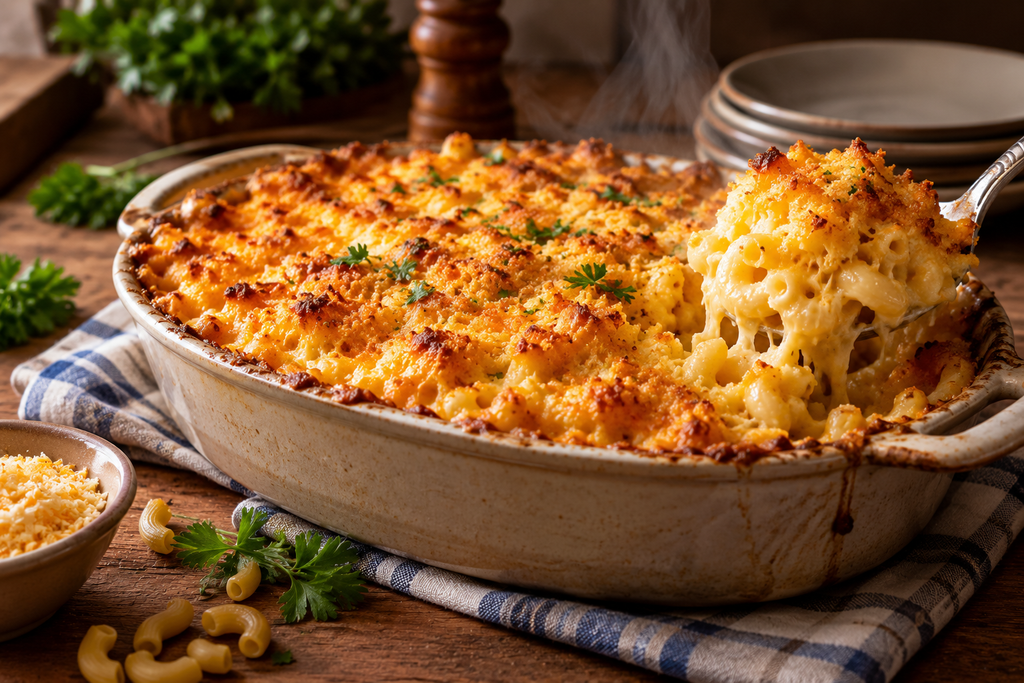
Few comfort foods are as immediately recognizable as macaroni and cheese. Often shortened to “mac and cheese,” the dish combines tender pasta with a rich cheese sauce, creating a meal that feels familiar, generous, and deeply satisfying. It can appear on a family dinner table, at a holiday gathering, beside a barbecue platter, or in a modern restaurant where chefs reinterpret it with specialty cheeses and creative toppings. Its ingredients are simple, yet its cultural presence is remarkably broad.
Mac and cheese is often described as an American classic, but its story crosses borders, centuries, and social classes. Pasta-and-cheese combinations existed in Europe long before the dish became associated with the United States. Over time, cooks adapted the idea to local ingredients, household budgets, culinary traditions, and changing technology. The result was a food that could be both celebratory and practical: luxurious when made with several aged cheeses, or inexpensive and convenient when prepared from a boxed mix.
European Roots and an American Transformation
The earliest history of macaroni and cheese is not tied to one single inventor. Historical records describe combinations of pasta and cheese in medieval European cooking, while later English and French cookbooks helped circulate recipes involving noodles, butter, and cheese. These preparations were not always identical to the creamy baked casserole familiar today, but they established the central idea of combining starch with rich dairy ingredients.
Mac and cheese entered American culinary history through European foodways and the work of cooks who adapted those traditions. Thomas Jefferson is frequently connected with the dish because of his interest in European cuisine and pasta-making equipment. However, this popular story can overlook the contributions of enslaved chef James Hemings, who trained in France and played an important role in the culinary life of Jefferson’s household. The history of mac and cheese is therefore also a reminder that celebrated dishes are often shaped by the labor and knowledge of people whose names were not always preserved.
During the nineteenth century, macaroni became more available in the United States, and cookbooks presented versions of the dish as economical and nourishing. Recipes could be made with ingredients such as butter, milk, cheddar, or other accessible cheeses. As domestic cooking became increasingly documented, macaroni and cheese moved from a dish associated with elite tables toward a practical meal prepared in ordinary households.
Why the Dish Became So Popular
Mac and cheese succeeded in America partly because it satisfies several needs at once. It is filling, adaptable, relatively easy to prepare, and capable of feeding a group. Pasta provides a dependable base, while cheese contributes fat, protein, salt, and intense flavor. Milk or cream can create a smooth sauce, and butter helps produce richness. Even when the ingredients change, the basic structure remains recognizable.
Its popularity grew further during the twentieth century, when food manufacturing and convenience packaging changed how families cooked. In 1937, Kraft introduced its boxed macaroni and cheese dinner. The product offered a shelf-stable, affordable, and quick meal at a time when many households valued convenience and careful budgeting. Boxed mac and cheese helped make the dish familiar to generations of children and adults, while homemade versions continued to hold a place in family and community cooking.
The packaged version also expanded the meaning of comfort food. For some people, the familiar orange color and soft texture are connected to childhood lunches, busy weeknights, college kitchens, or inexpensive pantry meals. For others, mac and cheese is associated with Sunday dinners, holiday celebrations, soul food traditions, or a baked casserole prepared by a relative. These memories demonstrate that comfort food is not defined only by ingredients; it is also shaped by repetition, family stories, and emotional associations.
The Difference Between Stovetop and Baked Mac and Cheese
One of the most important divisions in mac and cheese culture is the difference between stovetop and baked preparations. Stovetop mac and cheese is usually designed to be smooth and immediately creamy. The pasta is cooked separately or in the sauce, and cheese is incorporated while the mixture remains on the heat. The result is soft, glossy, and ready to serve without a crust.
Baked mac and cheese takes a different approach. The cooked pasta is combined with cheese sauce and transferred to a baking dish. A topping of shredded cheese, breadcrumbs, or both may be added before the dish enters the oven. Baking creates contrasting textures: a browned, slightly crisp surface gives way to a creamy interior. Some recipes use eggs or evaporated milk to create a firmer, custard-like casserole, while others emphasize a flowing cheese sauce.
Neither style is universally correct. Preferences often depend on geography, family tradition, and the occasion. A quick stovetop version may be ideal for a weekday meal, while baked mac and cheese can feel more appropriate for a holiday buffet or large gathering.
Cheese Choices and the Art of Texture
The cheese used in mac and cheese determines much of its flavor and texture. Cheddar is a popular choice because it offers a balance of sharpness, saltiness, and meltability. Mild cheddar creates a gentle flavor, while aged cheddar provides a more pronounced taste. Monterey Jack, Colby, Gruyère, fontina, and smoked cheeses can be blended with cheddar to create different results.
Using several cheeses can add complexity, but technique matters just as much as selection. A sauce that becomes too hot may turn oily or grainy. Cheese is often incorporated gradually, and some cooks prefer to remove the pan from direct heat before adding it. A roux made from butter and flour can help thicken a milk-based sauce, while starch from the pasta can also contribute body. The best texture is usually creamy enough to coat the noodles without becoming excessively heavy.
Pasta shape matters too. Elbow macaroni is the classic choice because its curved form holds sauce. Shells, cavatappi, penne, and small tubes can also work well. Shapes with ridges or hollow centers tend to capture more sauce, making every bite feel rich and balanced.
Mac and Cheese in African American and Southern Food Traditions
Macaroni and cheese has a meaningful place in African American and Southern food traditions. In many households, baked mac and cheese is associated with family gatherings, church events, celebrations, and holiday meals. Recipes may include multiple cheeses, eggs, evaporated milk, seasoning blends, or a carefully browned top. The dish is often prepared in a large casserole so that it can be shared.
It is important to recognize that these traditions were developed through generations of cooks who adapted recipes to available ingredients and community tastes. The history of mac and cheese is not simply a story of famous presidents or commercial brands. It also includes domestic cooks, enslaved culinary workers, Black women, immigrant communities, and home chefs who made the dish part of everyday and ceremonial life.
From Simple Side Dish to Restaurant Creation
Although mac and cheese began as a relatively straightforward combination, modern chefs have treated it as a flexible foundation. Upscale restaurants may add lobster, crab, truffle, short rib, roasted vegetables, spicy peppers, or smoked meat. Other cooks use panko breadcrumbs, crispy onions, herbs, hot sauce, or regional spice blends. These variations show how the dish can absorb new influences without losing its identity.
At the same time, the popularity of elaborate versions does not eliminate the appeal of a basic bowl of pasta and cheese. In fact, the contrast between luxury and simplicity is part of mac and cheese’s enduring character. It can be presented as a premium side dish, but it can also be made with pantry staples in a modest kitchen. Its flexibility allows people to personalize it according to budget, dietary needs, available ingredients, and taste.
Why Mac and Cheese Remains an American Favorite
Mac and cheese has remained popular because it combines accessibility with emotional familiarity. It is easy to recognize, simple to customize, and suitable for many settings. It can accompany fried chicken, barbecue, roasted vegetables, or a holiday spread, yet it is substantial enough to serve as a main dish. It works for children who prefer mild flavors and for adults who enjoy sharp cheeses, spice, or sophisticated toppings.
Its history also reflects larger developments in American society: immigration, industrial food production, changing household routines, regional cooking, and the preservation of family traditions. The dish traveled from European culinary practices into American kitchens, was adapted by cooks from different communities, and became both a commercial convenience food and a symbol of homemade comfort.
Ultimately, mac and cheese is more than pasta covered in cheese. It is an example of how food evolves while retaining a recognizable core. Whether served from a blue box, stirred in a saucepan, or baked until golden in a family casserole dish, it continues to offer the same essential promise: warmth, richness, and a sense of home.
Conclusion
The story of macaroni and cheese is a journey from European pasta traditions to one of America’s most beloved comfort foods. Its rise was shaped by historical figures, enslaved culinary workers, home cooks, industrial manufacturers, and generations of families. Its enduring appeal comes from its ability to be both affordable and celebratory, simple and creative, familiar and endlessly adaptable.
That combination explains why mac and cheese continues to appear in kitchens and restaurants across the country. The recipe may change, but the appeal remains remarkably consistent: tender pasta, creamy cheese, and the comforting pleasure of a dish made to be shared.
Leave a Reply