Exploring the Rich Flavors of Classic American Comfort Food
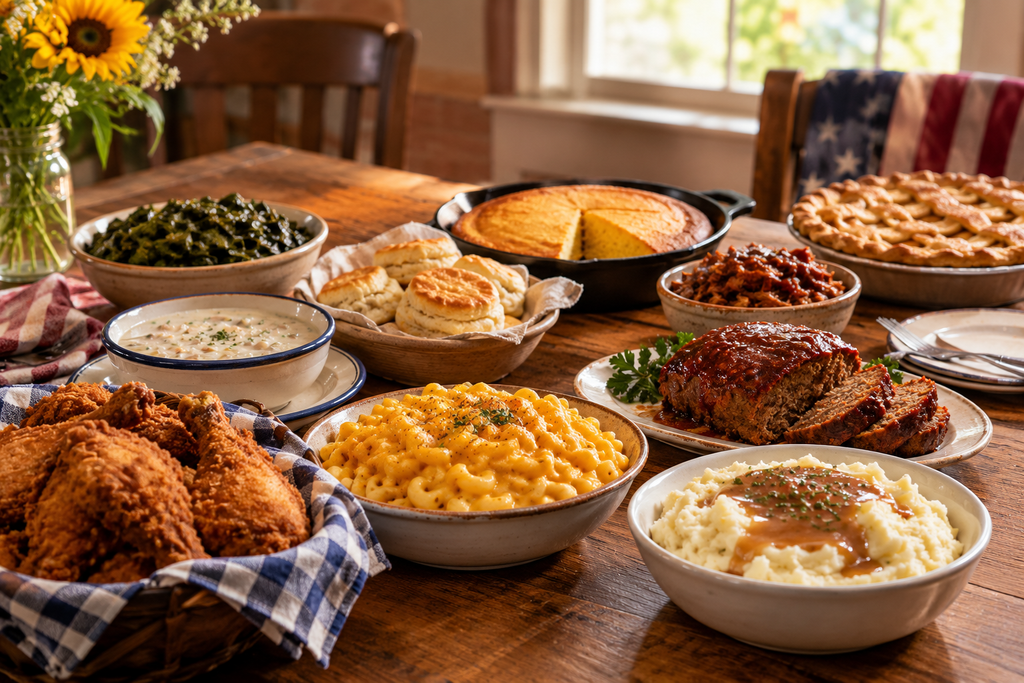
Classic American comfort food is more than a collection of filling recipes. It is a culinary story shaped by migration, regional traditions, family gatherings, seasonal ingredients, and generations of home cooks. From creamy macaroni and cheese to crispy fried chicken, hearty meatloaf, slow-cooked barbecue, warming chowder, and homemade apple pie, these foods are closely connected with memories of home and the pleasure of sharing a meal.
Although the United States is often represented by hamburgers, hot dogs, and pizza, American food culture is much more diverse. Culinary historians commonly describe it through regionality, variety, and standardization. Communities developed recipes according to geography, available ingredients, cultural exchange, and local history. As a result, American comfort food is not one fixed tradition but a broad and evolving collection of dishes.
What Makes Food Comforting?
Comfort food is personal. A dish may feel comforting because of its flavor, texture, aroma, or emotional connection to a particular moment. One person may associate chicken soup with childhood, while another remembers a casserole prepared for a holiday or a slice of pie served after a family dinner.
Many comfort foods share recognizable qualities: they are warm, familiar, satisfying, and easy to share. Creamy sauces, crisp coatings, tender meats, baked toppings, and sweet spices appear frequently. These meals do not necessarily require expensive ingredients or advanced culinary skills. Their appeal often comes from reliability, generosity, and the memories attached to them.
Macaroni and Cheese: A Creamy American Favorite
Macaroni and cheese is one of the most recognizable American comfort dishes. It combines pasta with a cheese sauce, but its variations are nearly limitless. Some cooks prefer a quick stovetop preparation, while others bake the dish with breadcrumbs, extra cheese, herbs, or a golden crust.
Its popularity comes partly from its flexibility. Sharp cheddar gives the sauce a bold flavor, while other cheeses create different levels of creaminess and richness. Vegetables, smoked meat, mustard, pepper, and spices can be included, although many people prefer the simple version associated with childhood meals.
Macaroni and cheese also illustrates the way American cooking adapts techniques and ingredients from different traditions. Over time, it became a convenient family dish that could be served at ordinary dinners, celebrations, community events, and holiday tables.
Fried Chicken and Southern Foodways
Fried chicken is strongly associated with Southern food culture, but its history reflects a complex interaction of African, European, and other culinary traditions. The dish became especially important as cooks developed methods for seasoning, coating, and frying chicken to create a crisp exterior and juicy interior.
Recipes differ widely. Chicken may be soaked in buttermilk, seasoned with paprika, garlic, black pepper, cayenne, or herbs, and coated in flour before frying. Some versions are mild and savory, while others deliver noticeable heat. The coating is important because it provides texture and helps retain moisture.
Fried chicken is often served with mashed potatoes, biscuits, gravy, coleslaw, collard greens, or cornbread. These side dishes create contrast: crisp chicken is paired with soft starches, fresh or tangy vegetables, and buttery bread. The meal becomes a generous spread rather than a single entrée.
Meatloaf: Practical Home Cooking
Meatloaf represents the practical spirit of American home cooking. Ground meat is mixed with breadcrumbs, eggs, onions, herbs, and seasonings, then shaped and baked. A glaze made with ketchup, tomato sauce, brown sugar, or mustard adds sweetness, acidity, and color.
Its appeal is partly economic. Meatloaf can feed a family, be prepared ahead of time, and provide leftovers for sandwiches or another meal. Modern cooks may use ground turkey, chicken, lentils, beans, or vegetables in alternative versions.
A successful meatloaf should be tender but firm enough to slice. Gentle mixing helps prevent a dense texture, while proper seasoning keeps the dish flavorful. The glaze often caramelizes in the oven, creating a savory-sweet finish that balances the richness of the meat.
Biscuits and Gravy
Biscuits and gravy are associated with Southern and Appalachian traditions. Tender biscuits are served with a rich gravy, commonly prepared from sausage drippings, milk, flour, and black pepper. The result is hearty, affordable, and suitable for breakfast, brunch, or a comforting evening meal.
Texture defines the dish. Biscuits should be tender inside with a lightly crisp surface, while the gravy needs to be thick enough to coat them without becoming pasty. Vegetarian mushroom gravy, herb-seasoned sauces, and spicy versions demonstrate how households adapt the classic format.
American Barbecue Has Many Regional Identities
American barbecue is not a single style. Different regions developed distinct approaches to meat, smoke, cooking time, and sauce. Texas is often associated with smoked beef, while parts of the Carolinas are known for pork and sauces based on vinegar or mustard. Kansas City-style barbecue is commonly linked with a thick, sweet, tomato-based sauce.
Low-temperature cooking over a long period allows connective tissue to soften and smoke to add aroma. Wood selection, seasoning rubs, humidity, and the cut of meat all affect the final result. Barbecue is also social: outdoor gatherings, neighborhood events, competitions, and family celebrations often revolve around food prepared slowly and shared generously.
Soups and Chowders
Soups and chowders show how geography influences American comfort food. New England clam chowder is known for its creamy base, potatoes, and shellfish, while other regions developed recipes centered on corn, beans, chicken, seafood, or seasonal vegetables.
One-pot meals are practical because they can use ingredients efficiently and simplify preparation. Leftover vegetables, grains, and meat can be transformed into a substantial soup. Slow simmering allows flavors to combine, and many soups taste even better the following day.
Apple Pie and the Sweet Side of Nostalgia
Apple pie is often presented as an American symbol, although its roots connect to older European baking traditions. Its place in American culture developed through the availability of apples, household baking, regional recipes, and its connection with holidays and family gatherings.
A classic pie combines pastry with sliced apples, sugar, cinnamon, and sometimes nutmeg, lemon, or brown sugar. The filling should be tender without becoming watery, while the crust supplies a buttery, flaky contrast. Apple pie may be served with vanilla ice cream, whipped cream, or even sharp cheddar, depending on local and family preferences.
Immigration and Cultural Exchange
American comfort food developed through continuous cultural exchange. Indigenous foodways, African American culinary knowledge, European baking traditions, Latin American flavors, Asian influences, and many immigrant communities have shaped the national food landscape.
This history challenges the idea that American cuisine is defined by one fixed list of dishes. Instead, it is a changing collection of regional and community practices. Recipes evolve as people move, ingredients become accessible, and cooks experiment with new combinations.
Modern Interpretations of Comfort Food
Contemporary chefs and home cooks continue to reinterpret classic dishes. Some prioritize local and seasonal ingredients, while others create vegetarian, vegan, gluten-free, or lower-sodium versions. Restaurants may present familiar recipes with refined techniques, international seasonings, or modern plating.
These adaptations do not necessarily erase tradition. They show that comfort food remains relevant because it responds to changing lifestyles. The central idea often remains the same: food should be satisfying, familiar, and capable of creating connection.
Conclusion
Classic American comfort food is rich because it combines flavor with memory, practicality, and cultural history. Fried chicken, macaroni and cheese, meatloaf, biscuits and gravy, barbecue, chowder, and apple pie each reveal a different part of the American culinary experience.
Exploring these dishes means looking beyond recipes. It means recognizing the communities that shaped them, the regional ingredients that influenced them, and the family traditions that gave them emotional meaning. Whether enjoyed at a neighborhood diner, a holiday table, or a home kitchen, comfort food continues to offer a simple but enduring experience: a warm meal, a familiar taste, and an opportunity to bring people together.
Leave a Reply