Why American BBQ Is More Than Just Grilled Meat
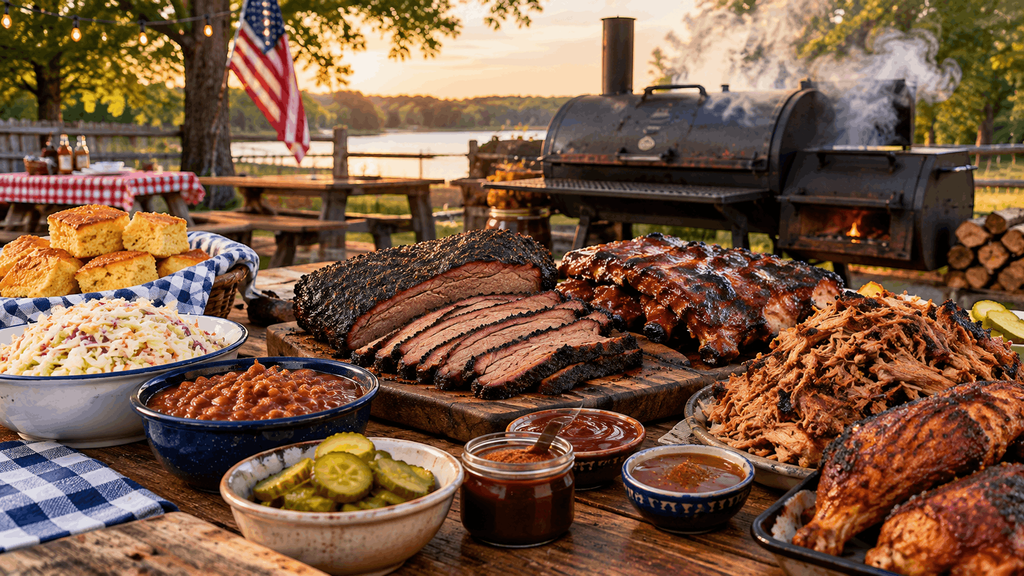
American barbecue is often introduced through a tempting image: meat cooking over heat, smoke drifting through the air, and a table filled with sauce, bread, pickles, and familiar side dishes. Yet reducing BBQ to grilled meat misses much of what makes the tradition meaningful. Across the United States, barbecue is a combination of history, regional identity, patience, craftsmanship, migration, community, and memory. It is a food culture that tells stories about landscapes, labor, family gatherings, and the people who have preserved and transformed it over generations.
The first important distinction is between grilling and barbecue. Grilling generally involves cooking food relatively quickly over direct heat. Traditional barbecue, by contrast, usually relies on indirect heat and a longer cooking process. Pitmasters manage low temperatures, smoke, airflow, fuel, and time in order to turn tough cuts into tender, flavorful food. The process requires attention rather than speed. A brisket, pork shoulder, or whole hog can take many hours, and the final result reflects decisions made throughout the cook.
American barbecue also has a complex history. The word is commonly connected to Caribbean and Indigenous cooking practices that used elevated racks or pits over fire. As cooking techniques moved through colonial North America, they were shaped by Native American knowledge, European ingredients, African cooking traditions, and the experiences of enslaved and free Black cooks. Black pitmasters played a major role in developing and sustaining barbecue traditions, although their contributions have not always received equal recognition in popular histories. The food therefore cannot be separated from the social and cultural history of the United States.
Regional diversity is one of the clearest reasons BBQ is more than a single dish. In the Carolinas, pork has long been central. Eastern North Carolina barbecue is often served with a thin vinegar-and-pepper sauce, while other areas use richer or mustard-based sauces. South Carolina is known for mustard-influenced preparations, reflecting the influence of European immigrant communities and local culinary development.
Texas barbecue is frequently associated with beef, especially brisket. In Central Texas, the focus may be placed on the quality of the meat, a simple seasoning of salt and pepper, careful fire management, and a pronounced smoke ring or dark bark. Other Texas traditions include different cuts, sausage, sauces, and cooking methods. The state is so large that it contains multiple barbecue cultures rather than one uniform style.
Memphis barbecue is widely recognized for pork ribs and pulled pork. Dry-rub ribs may be served without a heavy sauce, allowing spices and smoke to stand out, while wet ribs receive a finishing glaze. Memphis barbecue also demonstrates how a city’s location, trade connections, and restaurant history can influence its food identity.
Kansas City barbecue is known for its broad range of meats and a thick, sweet, tangy sauce. Beef, pork, chicken, and sausage can all appear on the same menu. This flexibility reflects the movement of people, ingredients, and techniques across regions. Rather than following one strict formula, Kansas City barbecue often embraces variety and abundance.
These regional differences show that barbecue is shaped by geography. Local woods influence smoke aromas. Weather affects fire management. Available livestock and agricultural patterns influence which meats become popular. Community preferences determine sauces, rubs, side dishes, and serving traditions. Barbecue is therefore a culinary map: a way to taste the environment and history of a place.
Patience is another central value. A successful barbecue cook must accept that the food cannot always be rushed. Temperature may stall, weather may change, and the fire may need adjustment. Pitmasters learn to observe rather than rely only on a clock. They watch the color of the bark, the texture of the meat, the behavior of the smoke, and the internal temperature. This slow process creates a relationship between cook and food that is different from preparing a quick meal.
The importance of labor should not be overlooked. Traditional barbecue can involve preparing wood, building or maintaining a fire, trimming meat, seasoning, monitoring temperatures, cleaning equipment, preparing sauces, and organizing service. In restaurants and community events, many people may contribute before the first plate is served. The finished meal represents coordinated effort, often performed behind the scenes.
Barbecue is also strongly connected to hospitality. A cookout, church gathering, neighborhood event, family reunion, or local festival may use BBQ as a reason for people to gather. The food creates a shared activity: someone tends the smoker, another prepares sides, guests bring drinks or desserts, and everyone waits together. The meal becomes a social experience rather than a simple transaction between a person and a plate.
Side dishes are important because they complete the cultural meaning of the meal. Coleslaw provides freshness and crunch. Beans add sweetness, richness, and texture. Cornbread connects the meal to Southern foodways. Pickles and onions bring acidity that balances fatty meat. Potato salad, greens, macaroni and cheese, and regional breads can all communicate local preferences. These foods are not merely decorations around the meat; they help define what a barbecue meal feels like.
Sauce can be equally expressive. Vinegar sauces, mustard sauces, tomato-based sauces, spicy blends, and sweet glazes reveal different ideas about balance and flavor. Some pitmasters apply sauce during cooking, while others serve it on the side so diners can choose. Arguments about sauce may sound playful, but they reflect genuine regional pride and the belief that food traditions deserve care.
Barbecue also illustrates cultural exchange. Modern American BBQ continues to change as immigrant communities, chefs, home cooks, and younger pitmasters introduce new ingredients and techniques. Korean-inspired sauces, Mexican flavors, Caribbean seasonings, and Vietnamese influences may appear alongside established regional methods. Such combinations do not automatically erase tradition. In many cases, they show that food cultures remain alive by adapting to new circumstances.
At the same time, innovation raises questions about ownership, recognition, and historical credit. Understanding barbecue requires acknowledging the communities whose knowledge and labor built the tradition. It also means recognizing that no single group or state can fully claim the entire story. Barbecue developed through contact, exchange, unequal power, creativity, and persistence.
The modern BBQ scene includes backyard enthusiasts, roadside stands, celebrated restaurants, food festivals, television competitions, and online communities. Technology has changed the way people learn. Digital thermometers, temperature controllers, pellet smokers, and online tutorials make some techniques easier to access. However, equipment does not replace judgment. Good barbecue still depends on ingredients, fire control, timing, and experience.
For visitors, exploring barbecue can become a form of culinary travel. Trying different regional styles helps diners notice how seasoning, smoke, meat selection, texture, and service vary. A plate of pulled pork in North Carolina may communicate something different from brisket in Texas or ribs in Memphis, even though all are called BBQ. The comparison is not simply about deciding which is best; it is about understanding the stories behind each style.
Ultimately, American barbecue is more than grilled meat because it connects flavor with place and people. It carries Indigenous, African, European, Caribbean, and immigrant influences. It rewards patience and technical skill. It supports restaurants, family traditions, celebrations, and local economies. It also invites ongoing debate about authenticity, innovation, and cultural memory.
The next time smoke rises from a barbecue pit, it is worth looking beyond the plate. Notice the work involved, the regional choices, the people gathered around the food, and the history represented by every technique. BBQ is not only something Americans eat. It is a living tradition through which communities express identity, generosity, creativity, and belonging.